








Mental Health Awareness Month: Wellness for Older Adults
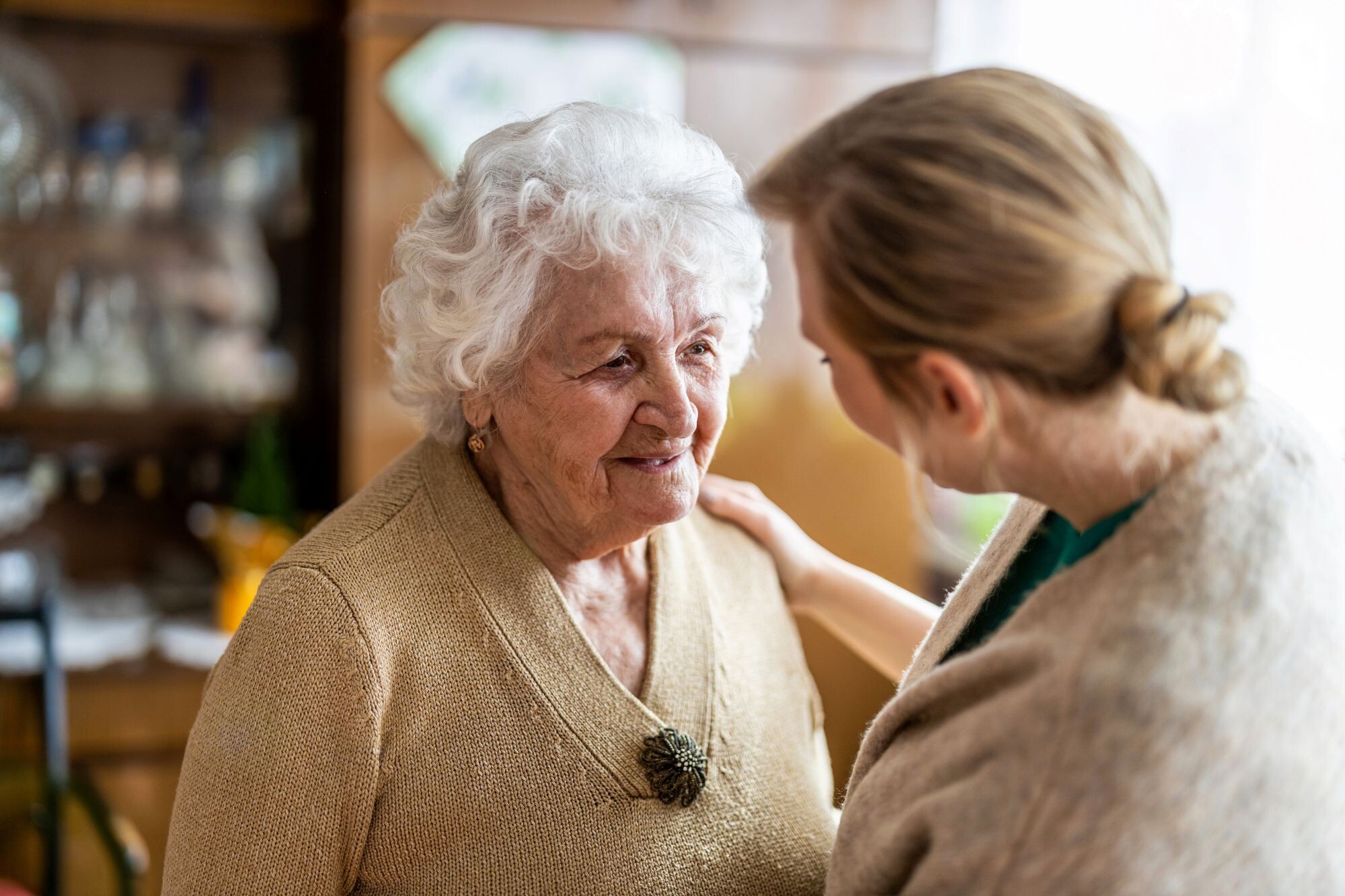
May is Mental Health Awareness Month, a time dedicated to breaking stigmas, fostering open conversations, and checking in on our emotional well-being. While we often talk about mental health in the context of stressed-out professionals or anxious teenagers, there is one demographic that is frequently left out of the conversation: older adults.
Aging brings incredible wisdom, resilience, and a lifetime of memories. However, it also brings unique life transitions that can take a heavy toll on mental wellness.
Let’s shine a spotlight on senior mental health, break down the unique challenges older adults face, and explore actionable ways to cultivate joy and peace in the golden years.
The Silent Struggle
It’s a common misconception that feeling down, lonely, or anxious is just a "normal part of getting older." It isn’t.
Older adults face a specific set of life changes that can act as catalysts for mental health struggles:
- Grief and Loss: Loosing spouses, lifelong friends, or siblings can lead to profound, ongoing grief.
- Loss of Independence: Retiring, giving up driving, or dealing with mobility issues can shatter a person's sense of purpose and autonomy.
- Chronic Pain and Illness: Managing conditions like arthritis, heart disease, or early-stage cognitive decline is physically and emotionally exhausting.
- Social Isolation: Living alone or being far from family can drastically reduce daily human interaction.
The Reality Check: According to the World Health Organization, approximately 15% of adults aged 60 and over suffer from a mental disorder. Because symptoms are often mistaken for physical ailments or "just aging," many older adults go undiagnosed and untreated.
Reimagining Wellness
Prioritizing mental health after 60 isn't about radically changing who you are; it’s about adapting your lifestyle to protect your peace. Here are four pillars of mental wellness for older adults:
1. Stay Connected
Human connection is the ultimate brain booster. Even if physical mobility is limited, staying social is crucial. Schedule a weekly phone call or FaceTime with grand-kids, join a local senior center club, or look into community volunteer opportunities.
2. Keep Moving
Physical activity releases endorphins—the brain's natural feel-good chemicals. It also improves sleep and reduces anxiety. Gentle movements like chair yoga, water aerobics, or a daily 20-minute walk through the neighborhood.
3. Engage the Brain
The brain is like a muscle: use it or lose it. Engaging in mentally stimulating activities promotes cognitive health and boosts self-esteem. Try a new hobby, learn a language on an app, tackle crossword puzzles, or learn to play an instrument. Lifelong learning is a gift.
4. Establish Routine and Purpose
With retirement comes an abundance of free time, which can sometimes feel aimless. Creating a loose daily routine provides structure and a reason to get out of bed with a smile. Dedicate mornings to moving your body, afternoons to a hobby, outing, or social call, and evenings to a favorite show or winding down with a book.
Signs a Loved One Might Need Support
If you are a caregiver, adult child, or friend of an older adult, keep an eye out for subtle shifts in behavior. Mental health struggles in older adults don’t always look like crying or sadness; they often manifest as:
What to Look For | What It Might Mean |
|---|---|
Unexplained aches, pains, or headaches | Physical manifestations of depression/anxiety |
Withdrawal from favorite hobbies or social circles | Loss of interest or low energy |
Neglecting personal hygiene or household chores | Cognitive fatigue or severe depression |
Changes in appetite or sleep patterns | High stress levels or mood disorders |
Breaking the Stigma: It's Okay to Ask for Help
Many older adults grew up in an era where mental health wasn't talked about, and asking for help was viewed as a weakness. Asking for support—whether from a primary care doctor, a licensed therapist, or a support group—is an act of profound strength.
Mental health care has evolved. Today, many older adults can access therapy right from their living rooms via telehealth, making mental health support more accessible than ever before.
Aging is a journey of transition. While we cannot stop the clock, we can control how we nurture our minds, hearts, and spirits along the way.
This Mental Health Awareness Month, pledge to check in on the older adults in our lives—and if you are a senior reading this, remember: your mental health matters, your story isn't over, and you deserve to feel whole, happy, and heard.