






Beat the Heat: Essential Summer Safety Tips for Seniors
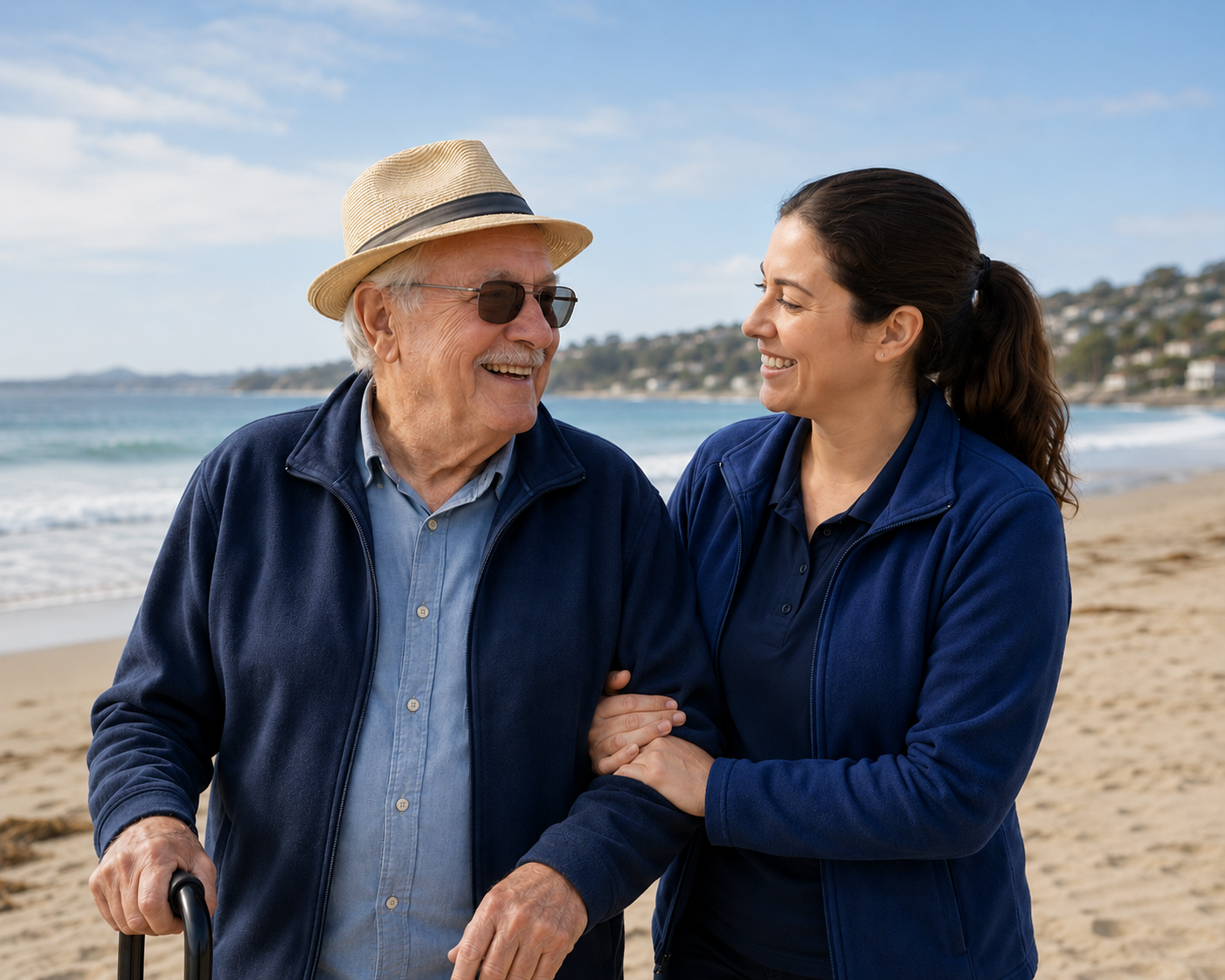
June marks National Safety Month, a timely reminder to evaluate safety measures for our most vulnerable populations. As temperatures climb, older adults face heightened risks from heat-related illnesses, dehydration, and dangerous medication interactions. For licensed professional caregivers and families considering hiring specialized care, proactively managing these seasonal hazards is vital to keeping seniors healthy, comfortable, and safe.
The Vulnerability of Aging Bodies to Heat
As the human body ages, its capacity to adapt to extreme temperatures diminishes. Seniors produce less sweat, possess less efficient blood circulation, and are more likely to live with chronic conditions that alter standard thermoregulation. Because the perception of thirst also fades with age, seniors rarely notice they are becoming dangerously dehydrated until symptoms manifest. Licensed caregivers are uniquely trained to notice these subtle physical changes before they turn into medical emergencies.
Rigorous Hydration Strategies
Waiting for an older adult to ask for water is a high-risk strategy. Professional caregivers keep hydration top-of-mind by implementing structured schedules:
- Proactive Fluid Schedules: Offer small glasses of water, infused fluids, or electrolyte-balanced drinks every hour, rather than relying on large amounts at mealtime.
- Water-Rich Foods: Supplement fluid intake with cucumber slices, watermelon, berries, and light, chilled soups.
- Monitoring Intake: Track daily fluid volumes and monitor for early warning signs of dehydration, such as dark urine, lethargy, or sudden confusion.
Medication Audits and Monitoring
Many medications frequently prescribed to seniors—such as diuretics, antihistamines, beta-blockers, and antidepressants—can drastically interfere with how the body handles heat. Some reduce the body's ability to sweat, while others accelerate dehydration. Licensed caregivers play an indispensable role by reviewing medication side effects with healthcare providers and strictly monitoring seniors on high-risk prescriptions during hot spells.
Recognizing Heat-Related Illnesses
Heat Exhaustion: Heavy sweating, paleness, muscle cramps, dizziness, headache, or nausea.
Action: Move to a cool area, loosen clothing, apply cool damp cloths, and provide sips of water.
Heat Stroke (Medical Emergency): High body temperature (above 103°F), red/dry or damp skin, rapid pulse, confusion, or fainting.
Action: Call 911 immediately and cool the individual down using any available means.
Optimizing the Living Environment
For families considering hiring a caregiver, home climate control is a fundamental safety baseline. A caregiver ensures that the environment is actively managed by checking that air conditioning units operate efficiently, closing blinds during peak sunlight hours to block radiant heat, and choosing lightweight, breathable cotton clothing for the senior. If a home lacks central cooling, a professional caregiver can facilitate safe transportation to air-conditioned community spots like libraries or senior centers.
The Value of Professional Care This Summer
Summer safety goes far beyond remembering to apply sunscreen. It demands consistent vigilance, clinical awareness, and physical support. For families evaluating care options, hiring a licensed professional caregiver delivers unparalleled peace of mind. These professionals provide the structure, watchful eye, and swift intervention necessary to navigate the physical challenges of rising temperatures.
This National Safety Month, hire a licensed caregiver from a reputable licensed home care company. Whether you are adjusting your caregiving routines or searching for the perfect professional advocate for your loved one, prioritizing heat safety ensures that the golden years remain vibrant, comfortable, and secure.