





Aging Boldly: Wellness Goals for Thriving at Home in 2026
For many older adults, the term "home" is more than just a mailing address; it is a sanctuary of memories and independence. As we navigate 2026, the trend of "aging in place" has moved beyond a mere preference to a proactive lifestyle choice. However, staying in your own home successfully requires more than just a sturdy roof—it requires a holistic approach to wellness.
If you or a loved one are among the millions of adults aged 65 and older choosing to stay home, setting specific, actionable wellness goals is the best way to ensure your "golden years" are spent in health and safety. Here are four pillars of wellness to focus on this year.
- Movement with a Mission: Strength and Balance
Physical activity is the cornerstone of independence. Health guidelines and professionals emphasize that it’s not just about "staying active" but about targeted movement.
The 150-Minute Rule: Aim for at least 150 minutes of moderate-intensity activity (like brisk walking) each week.
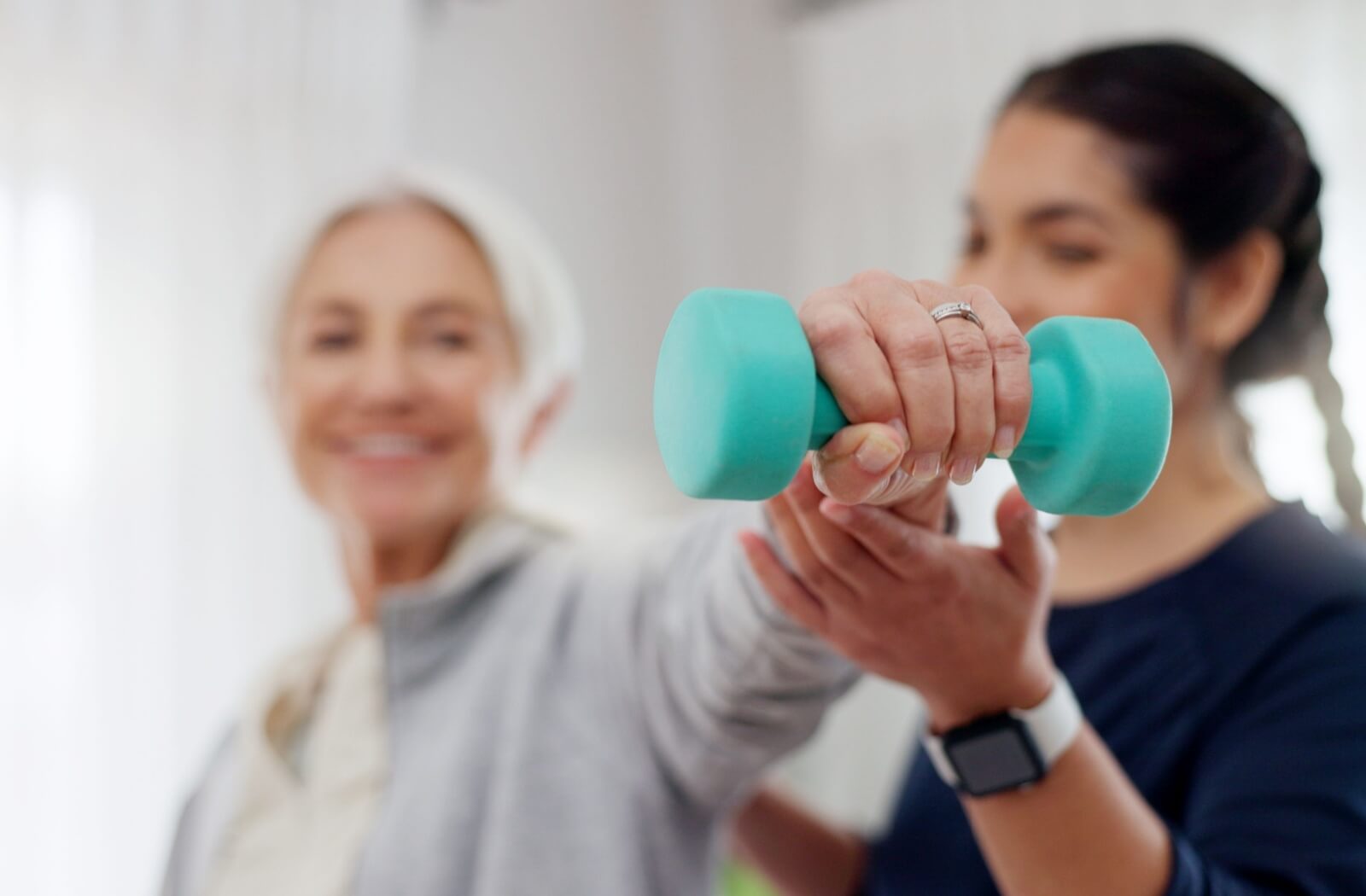
Strength is Freedom: Incorporate resistance training at least twice a week. Muscle mass naturally declines with age (Sarcopenia), and keeping your legs and core strong is what allows you to stand up from a chair or carry groceries.
The Balance Factor: Falls remain the leading cause of injury for those over 65. Dedicate three days a week to balance exercises, such as Tai Chi or simple heel-to-toe walks.
2. Fueling the Body and Brain
Nutrition needs shift as we age. We understand now more than ever how diet affects cognitive longevity.
The "Protein Gap": Many older adults don't eat enough protein. Aim for roughly 1.2 grams of protein per kilogram of body weight to maintain muscle. Think Greek yogurt, lean poultry, or beans.
Hydration Habits: The sensation of thirst often diminishes with age. Don't wait until you're thirsty; set a goal to drink 6–8 glasses of water daily to keep your energy up and your mind sharp.
Micronutrient Focus: Pay special attention to Vitamin B12 and Vitamin D, as the body becomes less efficient at absorbing these. A Mediterranean-style diet—rich in fish, olive oil, and leafy greens—remains the gold standard for heart and brain health.
3. The Social and Cognitive Connection
Wellness isn't just physical. Social isolation is now recognized as a significant health risk, comparable to smoking.
Hearing and the Brain: Emerging research, like that often spotlighted by our partners at Alzheimer's Orange County (AlzOC®), continues to highlight the link between hearing loss and cognitive decline. Make it a goal to have a professional hearing check-up this year.
Lifelong Learning: Challenge your brain by picking up a new hobby or a digital skill. Whether it’s an online language course or a local bridge club, keeping the mind engaged builds "cognitive reserve."
Stay Connected: Use technology to your advantage. If mobility is a challenge, schedule weekly "video coffee dates" with family or join a virtual community group to keep isolation at bay.
4. Creating a Safe Sanctuary
Your environment is a vital part of your wellness. A "wellness-focused" home is one that removes stress and prevents accidents.
The 10-Minute Clutter Clear: Spend ten minutes a day clearing pathways. Loose rugs and electrical cords are the enemies of aging in place.
Brighten Up: Replace dim bulbs with bright, non-glare LEDs. High-contrast lighting in hallways and bathrooms can significantly reduce the risk of a misstep.
Simple Mods: You don't need a full renovation to be safe. Installing grab bars in the shower and replacing round doorknobs with lever-style handles can make a world of difference for joint comfort and safety.
Aging in place is an empowering journey. By focusing on these small, sustainable goals, you aren’t just staying in your house—you are ensuring that your home remains a place of vitality, growth, and joy.